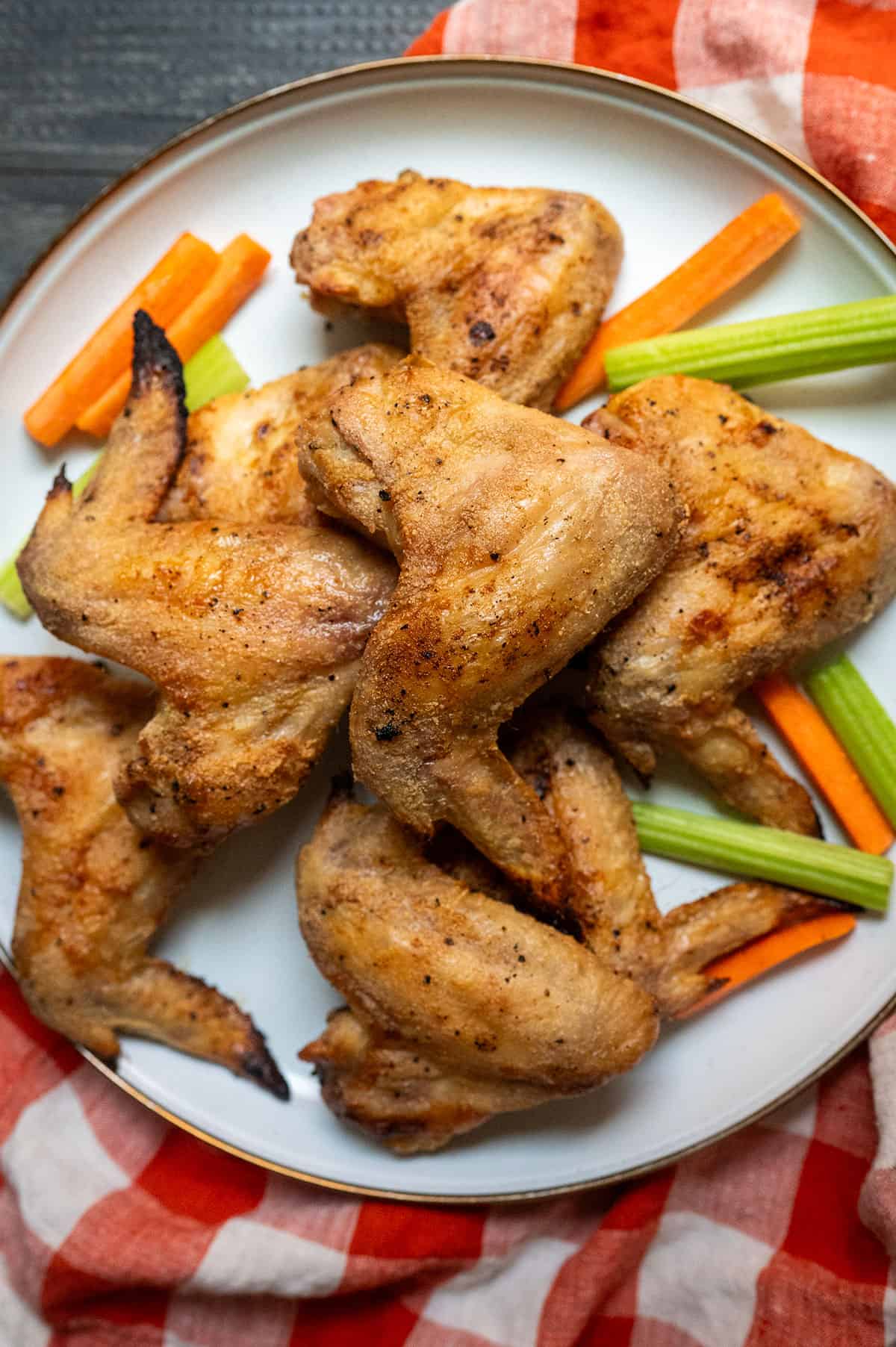
The Secret to Crispy Grilled Chicken Wings: Baking Powder & A Foolproof Method
There are few culinary delights that capture the spirit of gathering quite like a plate of perfectly grilled chicken wings. Whether it’s the roar of the crowd on game day, the sizzle of a backyard barbecue, or a leisurely afternoon by the pool, these savory bites are universally loved. But what truly elevates a good wing to a legendary one? It's that irresistible combination of impossibly crispy skin, succulent, juicy meat, and a depth of smoky flavor that makes your taste buds sing. Many aspire to this level of perfection, often falling short with rubbery skin or dry interiors. The good news? The secret isn't a complex, guarded recipe, but rather a clever scientific trick and a strategic grilling technique. Forget the days of overcooked, bland wings. This guide will unlock the two fundamental secrets to achieving restaurant-quality grilled chicken wings right in your backyard: the transformative power of baking powder and the indispensable two-zone grilling method. Get ready to impress your friends and family with wings so good, they’ll disappear faster than you can grab a napkin.The Unsung Hero: Baking Powder for Unmatched Crispness
When you think of baking powder, your mind likely goes to fluffy cakes and rising doughs, not savory chicken. However, this common pantry staple is an absolute game-changer for achieving that coveted, shattering crispy skin on your grilled chicken wings. But how exactly does it work its magic? The science behind baking powder's effectiveness lies in two key mechanisms:- Moisture Management: Baking powder is a desiccant, meaning it actively draws moisture from the surface of the chicken skin. When applied, it helps to create a drier surface, which is crucial for crisping up. As the wings cook, this surface moisture evaporates more readily, allowing the skin to crisp rather than steam.
- pH & Protein Breakdown: Aluminum-free baking powder, in particular, increases the pH levels on the chicken skin. This elevated pH helps to break down the proteins in the skin, making it more tender and promoting a more even, golden-brown coloration during grilling. The combination of protein breakdown and moisture reduction leads to a skin that’s not just crisp, but also deliciously light and airy.
Mastering the Grill: The Two-Zone Method for Perfection
While baking powder sets the stage for crispiness, the grilling method itself is what truly brings it to life, ensuring juicy interiors and smoky flavor without burning. The secret here is a technique called two-zone grilling, which allows you to precisely control the cooking environment for optimal results. This method is so effective, it's often referred to as foolproof.Setting Up Your Grill for Success
Whether you're using a charcoal or gas grill, the principle of two-zone cooking remains the same: one side dedicated to indirect heat (lower temperature) and the other to direct heat (higher temperature).- Charcoal Grill: Place all your lit charcoal on one side of the grill grate, leaving the other side empty. For added smoky flavor, you can toss some smoking wood chips (like hickory or applewood) onto the hot coals. Close the lid and allow the grill to preheat to a steady 400°F (200°C).
- Gas Grill: Ignite burners on one side of your grill, setting them to medium-high or high, while leaving the burners on the other side off. Close the lid and preheat until the active side reaches approximately 400°F (200°C).
The Two-Phase Cooking Process
The two-zone method is a ballet of gentle cooking followed by intense crisping.-
Phase 1: Low and Slow Over Indirect Heat (Tender & Juicy)
Once your grill is preheated to 400°F, place your seasoned chicken wings on the indirect heat side of the grill. Close the lid and let them cook for 45 minutes to 1 hour. This extended period over indirect heat is critical for several reasons:
- Even Cooking: It allows the wings to cook through gently without fear of burning the exterior.
- Fat Rendering: The sustained heat slowly renders the fat from beneath the skin, further contributing to a crispy finish.
- Juicy Interiors: By avoiding direct scorching, the meat remains incredibly tender and juicy, reaching an internal temperature of 165°F (74°C).
- Flare-Up Prevention: Indirect heat significantly reduces the risk of grease flare-ups, which can char your wings prematurely.
-
Phase 2: High Heat Over Direct Heat (Crispy & Charred)
After the wings have cooked through and rendered their fat over indirect heat, it's time for the grand finale. Uncover the grill, open all vents (for charcoal), and move the wings directly over the hot, direct heat zone. Grill them for just 2-3 minutes per side, or until the skin achieves that perfect golden-brown, blistered, and irresistibly crispy texture. This quick burst of high heat is solely for browning and crisping the skin – the meat is already perfectly cooked and juicy from the first phase. This strategic shift is the secret to achieving that ultimate crispness without drying out the meat.
Crafting the Flavor: Rubs, Sauces & Preparation Tips
Essential Preparation Steps
Before you even think about seasoning, a few crucial steps ensure success:- Pat Them Dry: This cannot be stressed enough. Use paper towels to thoroughly pat the chicken wings dry. Excess moisture on the skin is the enemy of crispiness and prevents your seasoning from adhering properly.
- Cutting Whole Wings: If your grocery store only offers whole chicken wings, don't worry – cutting them yourself is easy and often more cost-effective than buying pre-cut flats and drumettes. Lay a wing skin-side down on a cutting board. Locate the two joints: one between the drumette and the flat, and another between the flat and the tip. Use a sharp knife or kitchen shears to cut cleanly through the soft spots of each joint. You can discard the tips or freeze them to use later for making flavorful chicken stock.
- Optional Dry Brining: For an extra boost of flavor and tenderness, consider seasoning your wings up to 24 hours in advance and letting them "dry brine" in the refrigerator. The salt draws moisture out, then reabsorbs it, making the meat more succulent.
The Perfect Rub
While store-bought rubs are convenient, a quick homemade barbecue rub offers a depth of flavor that's simply superior. A fantastic foundation often includes:- Salt
- Black Pepper
- Garlic Powder
- Onion Powder
- Paprika (smoked paprika for an extra layer of smoky goodness)
- Cayenne Pepper (for a kick)
- Brown Sugar (for a touch of sweetness and caramelization)
- And, of course, the magical aluminum-free baking powder!
Saucing Strategies
These wings are so flavorful on their own, they truly don’t *need* sauce, but dipping is undeniably half the fun!- Post-Crisp Glazing: If you want to sauce your wings, wait until *after* they've achieved that perfect crispness over direct heat. Brush your favorite barbecue sauce, Buffalo sauce, or a spicy glaze onto the hot wings, then return them to the indirect side of the grill for another 5 minutes. This allows the sauce to thicken and set, creating a beautiful glaze without making the skin soggy.
- Dipping Delights: Offer a variety of dipping sauces on the side. A good smoky barbecue sauce is a natural pairing, but don't shy away from classic Buffalo with blue cheese or ranch, or even a zesty honey mustard. The possibilities are endless, allowing guests to customize their flavor experience. For more inspiration, check out our guide on Master Homemade Grilled Wings: Smoky Flavor, Easy Prep & Dipping Ideas.
